If you’re starting a private practice or considering a refresh, you’ve probably wondered: How much should I spend on branding?
You can find someone to design a logo for $50 on Fiverr, while an experienced designer or branding studio might charge several thousand dollars.
That’s a significant range, especially when you’re building a business and carefully considering where to invest.
But here’s what I want therapists to understand: not every designer is offering the same service, and not every practice needs the same level of design.
As a brand and digital strategist with more than 16 years of experience, I’ve worked with businesses at different stages of growth, including therapists and wellness professionals.
Let’s talk about what therapy branding actually costs, what you’re paying for, and how to make an investment that serves your practice for years.
First, What Does Branding Actually Include?
One of the biggest misconceptions I encounter is how casually we use the word branding.
Someone might say, “I need branding for my therapy practice,” when they’re actually looking for a logo, colors, and fonts.
Those are important, but they’re only part of the picture.
Branding vs. Brand Strategy vs. Visual Identity
These terms are often used interchangeably, but they don’t mean quite the same thing.
Your brand is more than your logo or business name. It’s what people recognize, associate with, and come to expect from your practice, shaped by your messaging, reputation, and the experiences you create.
Branding is the ongoing process of shaping those perceptions through how your business communicates, presents itself, and delivers on its promises.
Brand strategy provides the direction behind those efforts. It helps define:
- Your mission, vision, and values
- Your ideal clients and their needs
- Your positioning and what differentiates your practice
- Your brand personality, voice, and tone
- Your core messaging and the value you communicate
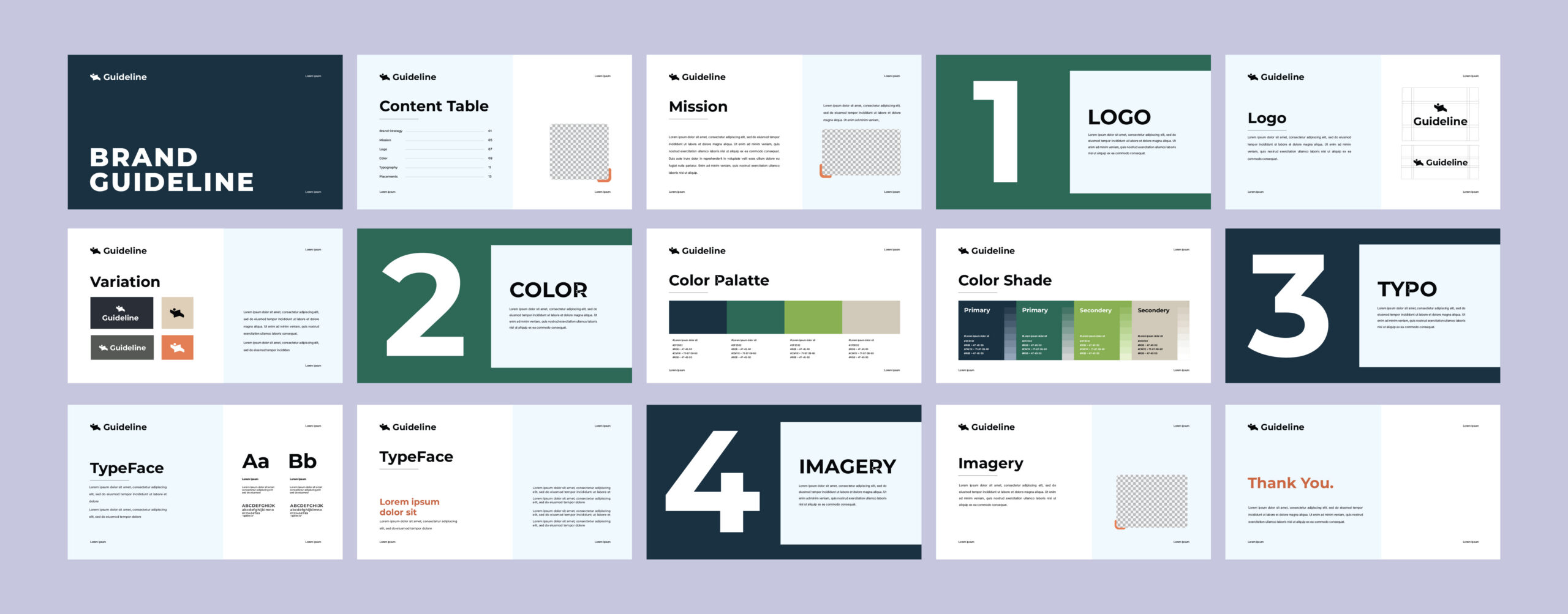
Visual identity is the collection of design elements that make your practice recognizable. It typically includes:
- Primary and secondary logos
- Color palettes
- Typography and font hierarchy
- Photography and imagery direction
- Supporting graphics, icons, and patterns
- Visual brand guidelines for consistent use
Here’s how I like to think about it: Brand strategy defines what you want your practice to stand for. Visual identity helps people recognize and experience that direction. Branding is the ongoing work of bringing it all together.
For example, if your therapy practice focuses on helping people navigate major life transitions, your strategy might emphasize transformation, reassurance, and personal growth. Your visual identity could support that direction through thoughtful typography, colors, and imagery.
But your brand is also shaped by what happens after someone visits your website: how you communicate, how easy it is to contact you, and the experience they have working with you.
At All Well Studio, I specialize in visual identity design. My process includes design discovery and conversations about your audience, goals, and positioning to inform design decisions, but it’s not the same as a comprehensive brand strategy engagement.
If you’ve already established your practice and have a clear sense of who you serve, you may not need to start from scratch. A visual identity refresh might be exactly what you need to bring more consistency and professionalism to the brand you’ve already built.
How Much Does Therapy Branding Cost?
Pricing varies considerably depending on the designer’s experience, process, and deliverables.
Here are some general ranges you may encounter:
- DIY visual identity: $0–$200+ — Creating a basic logo, colors, and typography using tools like Canva, excluding your time.
- Basic freelance logo design: $100–$750+ — Typically focused on the logo itself rather than a complete visual identity.
- Professional visual identity refresh: $1,000–$3,000+ — Refining an existing identity with updated logos, colors, fonts, and practical guidelines.
- Comprehensive visual identity: $3,000–$7,500+ — A more involved process including research, creative exploration, and a flexible design system.
- Brand strategy and visual identity: $5,000–$15,000+ — Potentially including positioning, audience research, messaging, and visual identity development.
These are illustrative planning ranges, not standardized industry rates. Actual pricing and inclusions vary.
Why Does One Logo Cost $100 and Another Cost $3,000?
Because you’re not necessarily comparing the same process.
A designer creating a logo from a short questionnaire provides a different service from someone researching your audience, exploring visual directions, considering accessibility, and building a system that works across multiple applications.
When I calculated the time involved in my own comprehensive visual identity process, I arrived at approximately 24 hours of work.
At my $125 hourly rate, that’s $3,000.
That time includes design discovery, research, concept development, presentations, revisions, brand guidelines, and final asset preparation.
You’re paying for the thinking, research, experience, and problem-solving behind the design, not simply the finished logo.
What Does a $1,500 Visual Identity Refresh Include?
At All Well Studio, I offer a Visual Identity Refresh for $1,500.
I’ve streamlined my process to create a more accessible option for therapists and other service professionals who already have an established brand.
Rather than starting from scratch, we build on what’s already working.
The package includes:
- Logo refinement or redesign
- Secondary logo and profile icon
- Color palette
- Typography selections
- Photography direction
- Brand style guide
We still conduct design discovery and consider your audience, accessibility, and how the identity will be used.
The difference is that we’re refining an existing foundation rather than developing an entirely new brand.
For the right practice, that can be a smart investment.
A Real Example: When a Therapy Logo Needs a Professional Refresh
I’m currently working with a therapist who previously hired designers through Fiverr to design and redesign her logo several times.
She liked aspects of an earlier version but wanted her practice to look more professional. Her existing logo featured a butterfly, purple and yellow colors, and three different fonts. The butterfly looked somewhat unfinished, the fonts competed with one another, and the yellow text was incredibly difficult to read. More importantly, the identity didn’t reflect the experience she wanted to create. She wanted something professional and uplifting that would spark curiosity and invite potential clients to learn more.
Improving the Identity Without Starting Over
Rather than discard everything, we identified what was meaningful and worth keeping.
The butterfly connected beautifully with her tagline, “Embrace Your Transformation.”
Our refreshed direction incorporates:
- A modern, slightly abstract butterfly
- A flowing but legible typeface
- Purple text for improved readability
- Yellow as an accent within the mark
- An expanded color palette
- Multiple logo arrangements for different uses
The identity maintains a feminine quality while feeling welcoming across ages and genders.
We’re also considering practical applications, including the journals she gives clients, social media, and her website. A logo that looks beautiful in a website header may not work as a tiny profile icon or on printed materials. That’s why a flexible visual system matters.
This project is still underway, so I can’t claim any measurable business results. But we’ve addressed important problems with the previous identity: legibility, accessibility, consistency, versatility, and professionalism.
Sometimes a thoughtful refresh is more valuable than another complete redesign.
Do Therapists Need Professional Branding When Starting Out?
My opinion? Yes, I recommend investing in a visual identity when starting your practice.
But that doesn’t mean you need something elaborate. You might only need a thoughtfully designed wordmark (a text-based logo), a cohesive color palette, and a few well-chosen fonts.
Simple is sometimes better.
Consistency Builds Recognition and Trust
Think about where potential clients encounter your practice:
- Your website
- Psychology Today
- Insurance providers
- Social media
- Google Business Profile
- Intake forms and client resources
- Business cards and printed materials
If every platform uses different colors, fonts, and styles, your business can feel disconnected. Consistent design helps people recognize you and communicates professionalism and intention.
For therapists, first impressions matter. You’re asking people to trust you during potentially vulnerable moments.
Your visual identity doesn’t make you a qualified therapist, but an inconsistent or difficult-to-read presence can create unnecessary doubt before someone learns about your approach.
Your design should support that first impression, not undermine it.
Can You DIY Your Therapy Branding?
Absolutely. Not every therapist has thousands of dollars available when launching a practice.
Tools like Canva can help you establish a simple visual presence.
But if you’re going the DIY route, research what makes a visual identity functional, not just attractive.
Focus on:
- Typography: Choose readable fonts with a clear hierarchy.
- Color: Establish a consistent palette with accessible text contrast.
- Versatility: Make sure your logo works at different sizes and in different applications.
- File formats: Understand what you’ll need for digital and printed materials.
- Consistency: Create simple guidelines for how everything should be used.
Also, review licensing restrictions if you’re using premade templates or stock illustrations, particularly if you intend to trademark your logo.
Don’t Overlook Accessibility
Accessibility is especially important in healthcare-related businesses.
Your visual identity should consider people with low vision, color vision differences, and other accessibility needs. Color contrast, font selection, and legibility all matter. When designing websites, I reference the Web Content Accessibility Guidelines (WCAG) to help inform accessible design decisions. A color palette alone isn’t automatically ADA compliant. Accessibility depends on how design elements are actually implemented. Beautiful design that your audience can’t comfortably read isn’t doing its job.
This is one area where an experienced designer can provide significant value.
When is it Time to Refresh Your Therapy Practice’s Visual Identity?
Not every practice needs a complete redesign of their visual identity.
Sometimes a few thoughtful refinements make a tremendous difference.
Consider a refresh if:
- Your logo feels outdated or no longer represents your practice.
- Your colors or fonts are difficult to read.
- Your services, specialties, or audience have changed.
- Your website and marketing materials feel inconsistent.
- Your logo doesn’t work across different applications.
- You hesitate to share your website or business materials.
As your practice grows, your confidence and clarity about your business often grow, too.
Your visual identity should grow with you, without requiring a complete redesign every few years.
What Should You Ask Before Hiring a Branding Designer?
Before choosing a designer, look beyond the price.
What’s Actually Included?
Are you getting one logo or a complete visual identity? Will you receive alternate logo arrangements, color specifications, font selections, brand guidelines, and appropriate file formats?
Make sure you understand what you’re purchasing.
Does the Designer Understand Your Audience?
Your designer doesn’t need to work exclusively with therapists, but they should understand your audience and business goals.
And don’t assume every therapy practice needs pastel colors, handwritten fonts, or calming nature imagery.
Your identity should reflect your practice, not a generic idea of what therapy branding should look like.
Is There a Design Discovery Process?
I believe in understanding the business before designing for it.
Even a streamlined refresh should begin with questions about your audience, goals, preferences, and current challenges.
Without that understanding, design decisions can become personal preferences rather than intentional solutions.
Will the Identity Work in Real Life?
Ask how your logo will perform at different sizes and across print and digital applications.
Does the designer consider accessibility and legibility?
Can you imagine using this visual identity confidently five years from now?
How Long Should a Visual Identity Last?
A thoughtfully designed visual identity can serve your practice for many years.
The trick isn’t predicting design trends. It’s focusing on fundamentals:
- Readable typography
- Clear hierarchy
- Accessible color combinations
- Recognizable visual elements
- Consistent application
I think therapists sometimes feel pressure to make their logo communicate everything about their approach.
Perhaps you want it to feel calming, hopeful, transformative, empowering, and professional.
That’s a lot to ask of one little graphic!
Your logo doesn’t need to tell your entire story. Your website, messaging, photography, and overall client experience help do that.
Let your visual identity reflect who you are and how you show up for your clients. You can add personality through supporting graphics and other visual elements over time.
If it’s easy to read, easy to recognize, and consistent, you’re setting yourself up for years of use.
Final Thoughts: Invest in a Foundation, Not Just a Logo
So, how much should you spend on therapy branding?
Enough to create something intentional, professional, and flexible, without paying for a process your practice doesn’t need.
A therapist launching a solo practice may only need a simple wordmark and color palette. An established practice might benefit from a visual identity refresh. A growing group practice may need a more comprehensive system.
The goal isn’t to spend the most money. It’s to invest in something that supports your business today and gives you room to grow.
At All Well Studio, my $1,500 Visual Identity Refresh is designed for therapists and wellness professionals who want their visual presence to better reflect the thoughtful work they do.
Considering a refresh for your therapy practice? Let’s talk about where your visual identity is today and whether a refresh is the right next step.